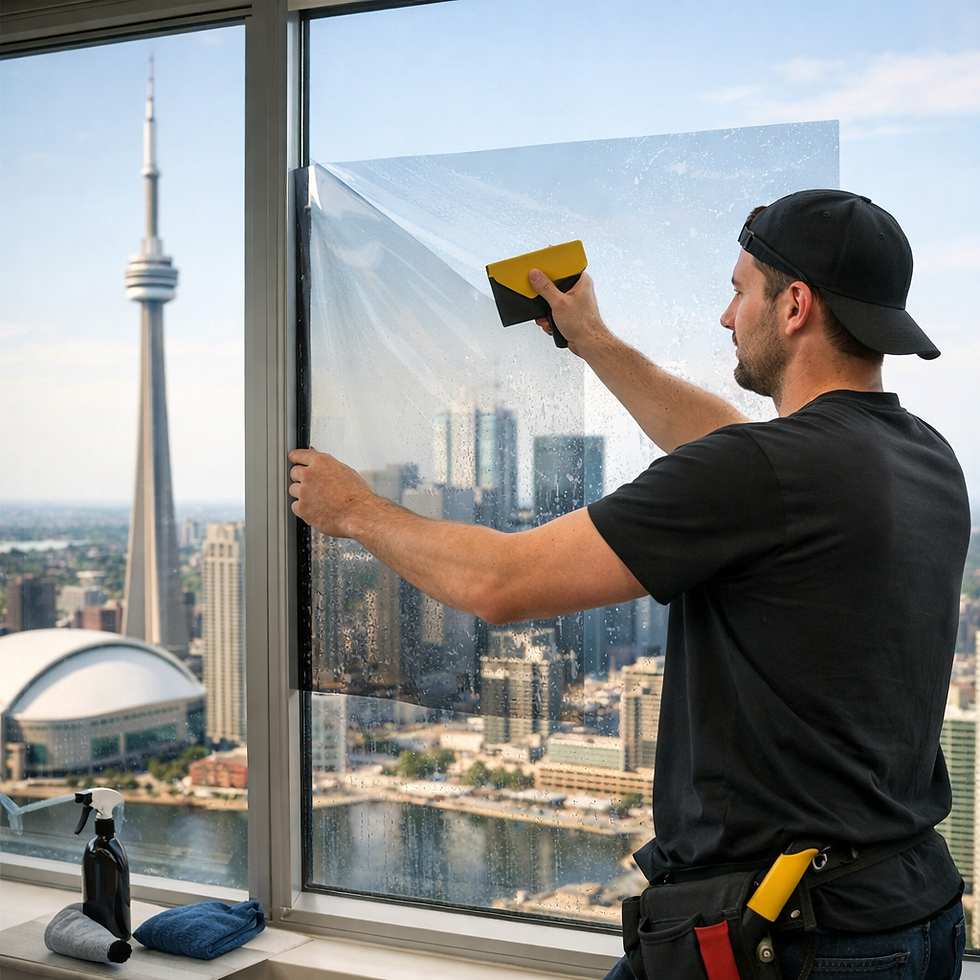
Home Window Tint Advantages: Residential Window Tinting Benefits You’ll Love
- Arsham V
- Jan 26
- 4 min read

When it comes to enhancing your home's comfort, energy efficiency, and privacy, home window tint advantages are often overlooked. Window tinting is not just for cars or commercial buildings anymore. More homeowners are discovering the many benefits of applying window films to their residential windows. This simple upgrade can transform your living space in ways you might not expect.
Whether you want to reduce glare, protect your furniture from fading, or save on energy bills, residential window tinting offers practical solutions. In this article, we will explore the key benefits of window tinting for your home, helping you make an informed decision.
Energy Savings and Temperature Control: Home Window Tint Advantages
One of the most significant home window tint advantages is improved energy efficiency. Window films can block up to 99% of harmful ultraviolet (UV) rays and reduce solar heat gain by up to 60%. This means your home stays cooler in the summer and warmer in the winter, reducing the need for constant air conditioning or heating.
For example, during hot summer months, tinted windows prevent excessive heat from entering your home, which lowers your cooling costs. In colder months, certain types of window films help retain heat inside, reducing heating expenses. This dual benefit makes window tinting a smart investment for year-round comfort.
Practical tip: Choose a window film with a high solar heat rejection rating for maximum energy savings. Consult with a professional to find the best option for your climate and window type.

Enhanced Privacy and Security: Why Homeowners Choose Window Tinting
Privacy is a top concern for many homeowners, especially those living in densely populated areas. Window tinting offers an effective way to increase privacy without sacrificing natural light. Reflective or frosted films allow you to see outside clearly while preventing outsiders from looking in.
In addition to privacy, window films add a layer of security. They hold shattered glass together in case of breakage, reducing the risk of injury and deterring potential intruders. This makes window tinting a valuable safety feature for families.
Example: A family living on a busy street installed window tinting to enjoy their backyard without worrying about passersby peeking inside. They also felt more secure knowing their windows were reinforced.
What are the disadvantages of solar film?
While solar films offer many benefits, it’s important to consider some potential drawbacks before installation:
Reduced natural light: Some window tints can darken rooms, which might not be ideal for spaces that rely on natural sunlight.
Initial cost: Quality window tinting can be an investment upfront, though it often pays off in energy savings over time.
Installation quality: Poor installation can lead to bubbling, peeling, or discoloration. Always hire experienced professionals.
Limited lifespan: Over time, films may degrade due to exposure to sunlight and weather, requiring replacement after several years.
Understanding these disadvantages helps you weigh the pros and cons and choose the right type of film for your home.
Protecting Your Home’s Interior: Prevent Fading and Damage
Sunlight can cause significant damage to your home’s interior. UV rays fade furniture, carpets, curtains, and artwork, leading to costly replacements. Window tinting blocks up to 99% of UV rays, preserving your belongings and maintaining your home’s aesthetic appeal.
For instance, a homeowner with antique furniture noticed fading on upholstery near windows. After installing window tinting, the fading stopped, and the furniture’s lifespan extended significantly.
Actionable advice: If you have valuable or delicate items near windows, consider window tinting as a protective measure. It’s a cost-effective way to safeguard your investments.

Easy Maintenance and Increased Comfort
Another advantage of window tinting is its low maintenance. Unlike curtains or blinds, window films do not collect dust or require frequent cleaning. They are easy to clean with a soft cloth and mild detergent.
Additionally, tinted windows reduce glare on screens and surfaces, making your home more comfortable for reading, watching TV, or working on a computer. This is especially beneficial in rooms with large windows or those facing direct sunlight.
Tip: Use window tinting in home offices or media rooms to reduce eye strain and improve productivity.
Why Choose Professional Residential Window Tinting?
Choosing professional residential window tinting ensures you get the best results. Experts can recommend the right type of film based on your home’s orientation, window type, and your specific needs. They also guarantee proper installation, which maximizes the film’s lifespan and effectiveness.
DIY kits are available but often lack the quality and durability of professionally installed films. A professional service also offers warranties and post-installation support.
Final Thoughts on Home Window Tint Advantages
Investing in window tinting is a smart way to improve your home’s comfort, privacy, and energy efficiency. From reducing energy bills to protecting your interiors, the benefits are clear. By understanding both the advantages and potential drawbacks, you can make a well-informed decision that suits your lifestyle and home environment.
Consider consulting with a window tinting professional to explore your options and enjoy the many benefits that come with this simple yet effective home upgrade.