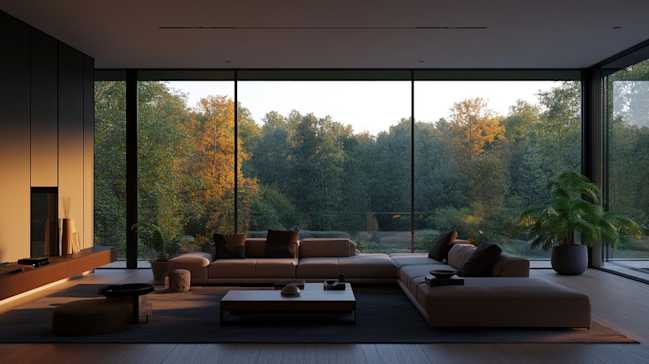
In today’s world, privacy is more valuable than ever. Whether at home, in the office, or in your vehicle, maintaining a sense of personal space is essential. One effective way to enhance privacy is through privacy window tinting. This simple yet powerful solution not only shields your interiors from prying eyes but also offers additional benefits such as UV protection and energy savings. This article explores the advantages of privacy window tinting, how it works, and practical tips for choosing the right tint for your needs.
What Is Privacy Window Tinting?
Privacy window tinting involves applying a thin film to glass surfaces that reduces visibility from the outside while maintaining clear views from the inside. This film can be installed on various types of windows, including residential, commercial, and automotive glass. The primary goal is to create a barrier that prevents outsiders from seeing inside without compromising natural light.
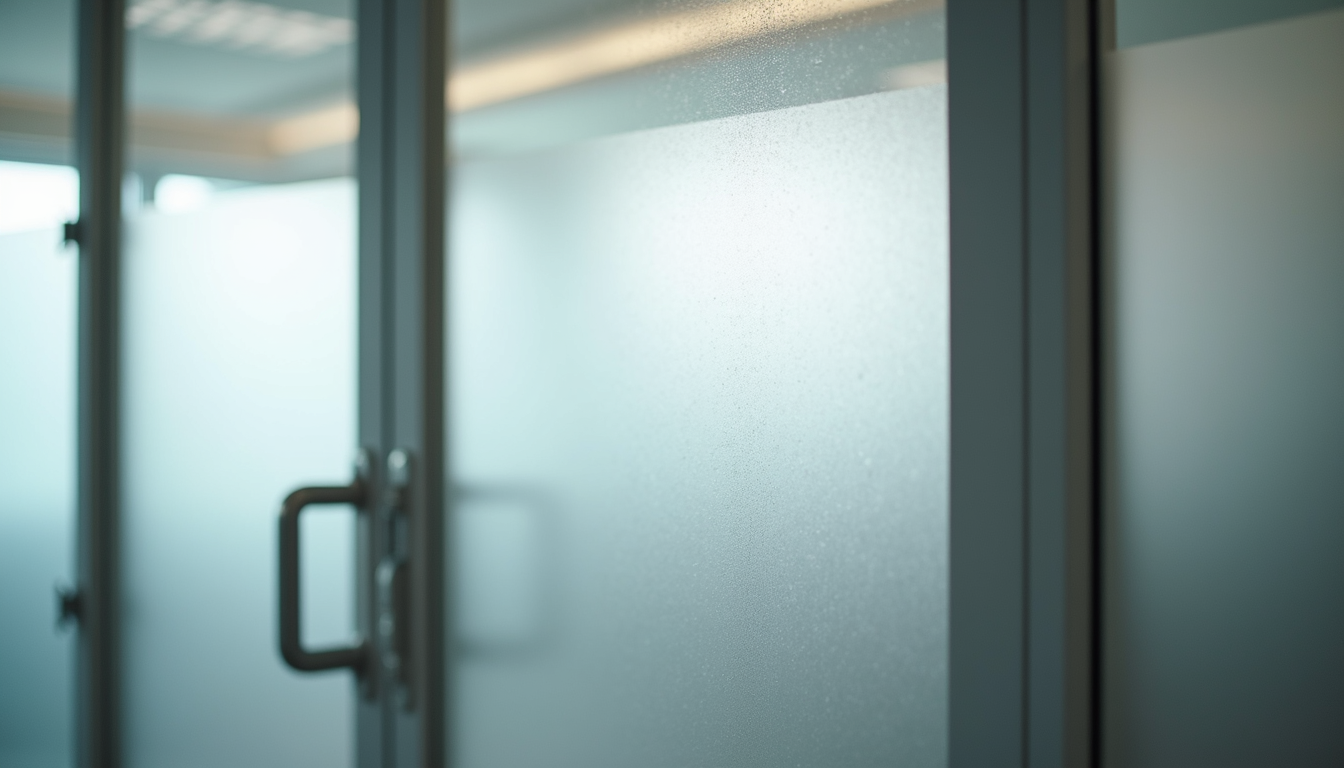
There are different types of tint films available, such as reflective, frosted, and dyed films. Each type offers varying levels of privacy and aesthetic appeal. For example, reflective films create a mirror-like effect during the day, making it difficult for people outside to see in. Frosted films provide a translucent finish that obscures vision but still allows light to pass through.
Privacy window tinting is especially useful in urban environments where buildings are close together, or in homes and offices located near busy streets. It helps protect your personal space without the need for heavy curtains or blinds, which can block natural light and make rooms feel smaller.

Frosted privacy window tinting on a home windowBenefits of Privacy Window TintingPrivacy window tinting offers numerous advantages beyond just blocking the view from outside. Here are some key benefits:
Benefits of Privacy Window Tinting
- Enhanced Privacy: The most obvious benefit is increased privacy. You can enjoy your space without worrying about neighbors or passersby looking in.
- UV Protection: Many tint films block up to 99% of harmful ultraviolet rays, protecting your skin and preventing furniture, carpets, and artwork from fading.
- Energy Efficiency: Tinted windows reduce heat gain during summer and heat loss during winter, helping to lower energy bills by reducing the need for air conditioning and heating.
- Glare Reduction: Window tinting minimizes glare from the sun, making it easier to work on screens or watch TV without straining your eyes.
- Safety and Security: Some films add a layer of protection by holding shattered glass together in case of breakage, reducing the risk of injury and deterring break-ins.
- Aesthetic Appeal: Tints come in various shades and finishes, allowing you to customize the look of your windows to match your style.
By choosing the right type of privacy window tinting, you can enjoy these benefits while maintaining a comfortable and secure environment.
How Much Does It Cost to Film a Window?
The cost of window tinting varies depending on several factors, including the size and number of windows, the type of film used, and the complexity of installation. Here’s a general breakdown to help you understand what to expect:
- Type of Film: Basic dyed films are usually the most affordable, while high-performance films with UV protection and heat rejection features cost more.
- Window Size and Quantity: Larger windows or multiple windows will increase the total cost.
- Installation Complexity: Windows with unusual shapes or hard-to-reach locations may require more labor, raising the price.
- Professional vs. DIY: Hiring professionals ensures quality installation and warranty but comes at a higher cost compared to DIY kits.
On average, residential window tinting can range from $5 to $15 per square foot. For a typical home, this might translate to $200 to $600 or more. Commercial projects and automotive tinting have their own pricing structures.
It’s important to get quotes from reputable providers and consider the long-term savings from energy efficiency and UV protection when evaluating the cost.

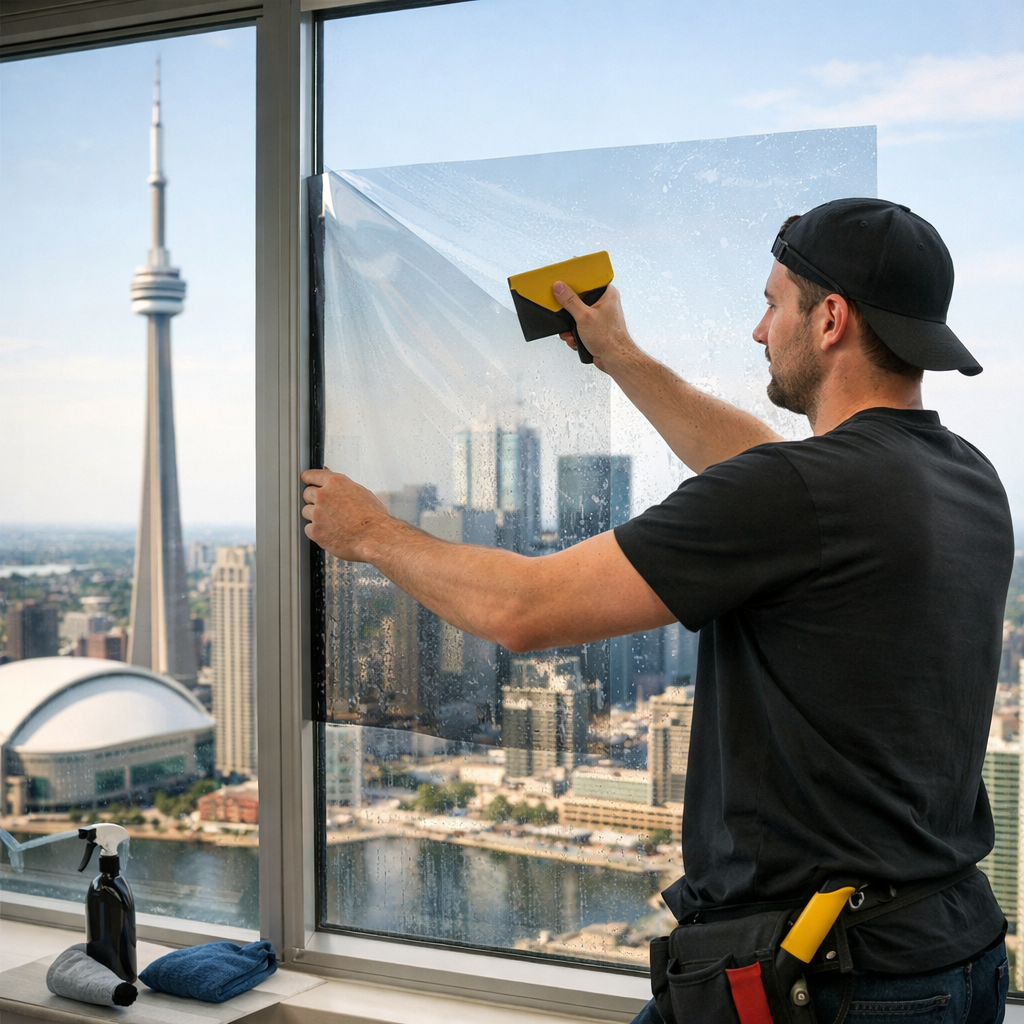
Professional installation of window tint film on a vehicle windowChoosing the Right Privacy Window Tinting FilmSelecting the right tint film depends on your specific needs and preferences. Here are some tips to guide your decision:
Choosing the Right Privacy Window Tinting Film
- Assess Your Privacy Needs: Determine how much privacy you want. For maximum privacy, reflective or frosted films are ideal. For moderate privacy, dyed films may suffice.
- Consider Light Transmission: Decide how much natural light you want to keep. Some films block more light than others, so balance privacy with brightness.
- Check UV Protection Ratings: Look for films that block at least 99% of UV rays to protect your skin and interiors.
- Think About Heat Rejection: If you live in a hot climate, choose films designed to reduce heat gain and improve energy efficiency.
- Match Your Style: Films come in various colors and finishes. Pick one that complements your building’s exterior and interior design.
- Verify Warranty and Quality: Choose films from reputable brands that offer warranties to ensure durability and performance.
Consulting with a professional installer can help you make an informed choice tailored to your environment and budget.
How to Maintain Privacy Window Tinting
Proper maintenance ensures your privacy window tinting lasts for years and continues to perform well. Follow these simple guidelines:
- Wait Before Cleaning: After installation, wait at least a week before cleaning the windows to allow the film to fully adhere.
- Use Gentle Cleaners: Avoid ammonia-based or abrasive cleaners. Use a mild soap solution and a soft cloth or sponge.
- Avoid Sharp Objects: Do not use razor blades or sharp tools to clean or remove debris from the film.
- Clean Regularly: Dust and dirt can accumulate, so clean the windows regularly to maintain clarity and appearance.
- Inspect for Damage: Periodically check for bubbles, peeling, or scratches. Address any issues promptly with your installer.
By following these tips, you can keep your privacy window tinting looking great and functioning effectively.
Why Professional Installation Matters
While DIY window tinting kits are available, professional installation offers several advantages:
- Expertise: Professionals have the skills and experience to apply film smoothly without bubbles or wrinkles.
- Proper Tools: They use specialized tools and techniques to ensure a perfect fit and finish.
- Warranty: Many professional services provide warranties that cover defects and installation issues.
- Time-Saving: Installation is faster and less stressful when done by experts.
- Better Results: Professional tinting looks cleaner and lasts longer, providing better value over time.
If you want to enhance your privacy with confidence, consider hiring experts who specialize in window tinting services.
Privacy window tinting is a smart investment that offers comfort, security, and style. Whether for your home, office, or vehicle, it provides a practical solution to protect your personal space while enjoying natural light and energy savings. By understanding your options and working with professionals, you can find the perfect tint to meet your needs and enhance your quality of life.